


The most effective rosacea skincare routine is also the simplest: a gentle, non-foaming cleanse, a barrier-first moisturizer, and daily mineral sunscreen. Everything else, including azelaic acid or prescription treatments, gets added slowly and only once the basics hold steady. Most people see meaningful calming within 4 to 12 weeks; if redness or bumps persist beyond that, a dermatologist visit is the next right step.
TL;DR:
- A gentle, non-foaming cleanse, barrier moisturizer, and mineral sunscreen are the core components, with active treatments added gradually after the skin stabilizes.
- Avoid ingredients like fragrance, alcohol, menthol, witch hazel, and physical exfoliants, as they are common triggers that worsen the skin barrier and redness.
- Introduce actives like azelaic acid slowly over 4 to 12 weeks, and only consider prescription options if visible symptoms persist or do not improve after this period.
- Moisturizers containing ceramides, hyaluronic acid, and squalane support barrier repair without irritation, with seasonally adjusted formulas for dryness or humidity.
- Track triggers and response patterns with a flare diary, and never layer multiple new products at once to identify potential irritants effectively.
Table of Contents
- Your Rosacea Skincare Routine: Morning and Evening Steps
- What Ingredients and Habits Trigger Rosacea Flares?
- When Should You Add Azelaic Acid or See a Dermatologist?
- Which Moisturizer Ingredients Actually Repair the Rosacea Barrier?
- Why some skincare brands build around fewer, stronger ingredients
- Setting Realistic Expectations for Rosacea Skin
- A Focused Serum Option Worth Adding Once Your Basics Are Stable
- Sources
- FAQ
Your Rosacea Skincare Routine: Morning and Evening Steps
Rosacea-prone skin does better with fewer decisions, not more products. The goal each day is to protect the skin barrier from two things: mechanical irritation and unnecessary ingredient exposure. Here’s how that plays out in practice.
Morning routine:
- Rinse or cleanse gently. If your skin feels calm and not oily, a lukewarm water rinse alone is often enough. If you need a cleanser, use a cream or milk formula, not a foaming gel.
- Apply a barrier moisturizer while skin is still slightly damp, to help lock in hydration.
- Apply mineral sunscreen with zinc oxide or titanium dioxide. A tinted formula does double duty, blocking visible light (which can trigger flushing) and softening the look of redness without heavy makeup.
- Add light makeup if desired, choosing mineral-based formulas that layer easily over sunscreen.
Evening routine:
- Remove sunscreen and makeup with a gentle oil or micellar water if you’ve worn heavier coverage during the day. This is the only time double cleansing makes sense for rosacea; otherwise, one gentle cleanse is plenty.
- Cleanse with a cream or milk formula, using fingertips only for 30 to 60 seconds. Skip wash cloths, brushes, and any device that scrubs.
- Apply your treatment product, if you’re using azelaic acid or a prescription topical, once your skin has adjusted to the basics.
- Moisturize to seal in the treatment and support the barrier overnight.
Pat skin dry with a soft towel instead of rubbing. Friction is an underrated trigger, and it costs nothing to eliminate it.
Pro Tip: Keep a simple flare diary on your phone. Note the date, what you applied, and how your skin looked 24 hours later. Patterns that feel invisible day to day often become obvious after two or three weeks of tracking.
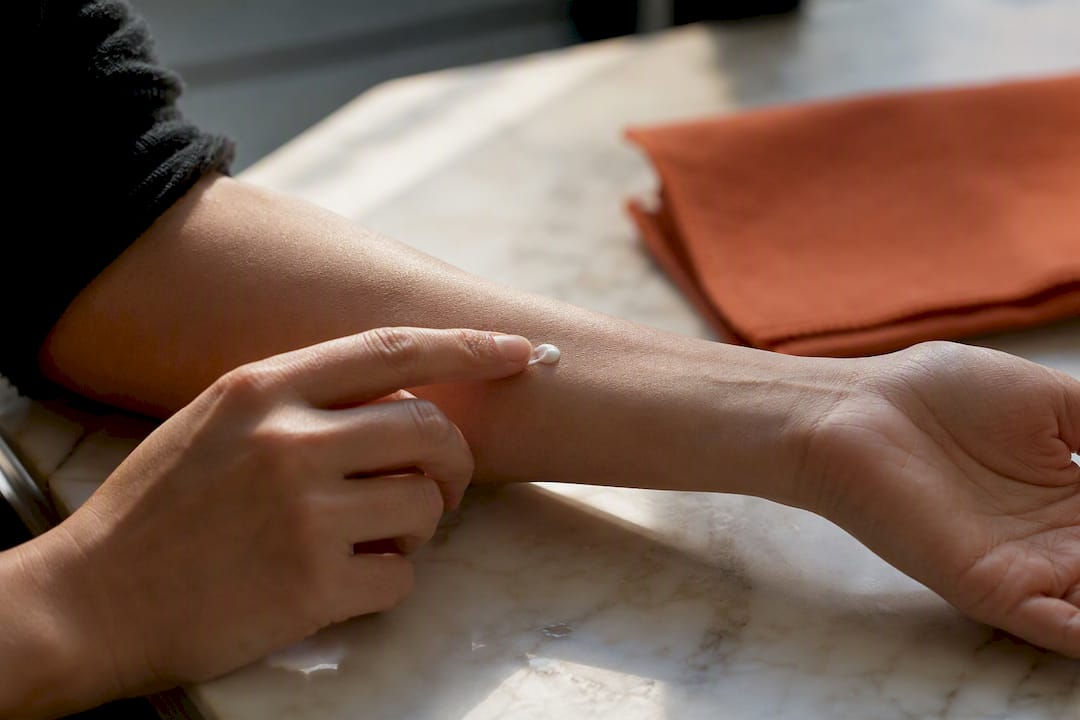
When introducing anything new, patch test on your inner forearm or behind the ear for a few days first, then apply to a small area of the face before going all in. Add one product at a time and give it two to four weeks before judging whether it works. Layering three new things in the same week makes it impossible to know what actually caused a flare.
What Ingredients and Habits Trigger Rosacea Flares?
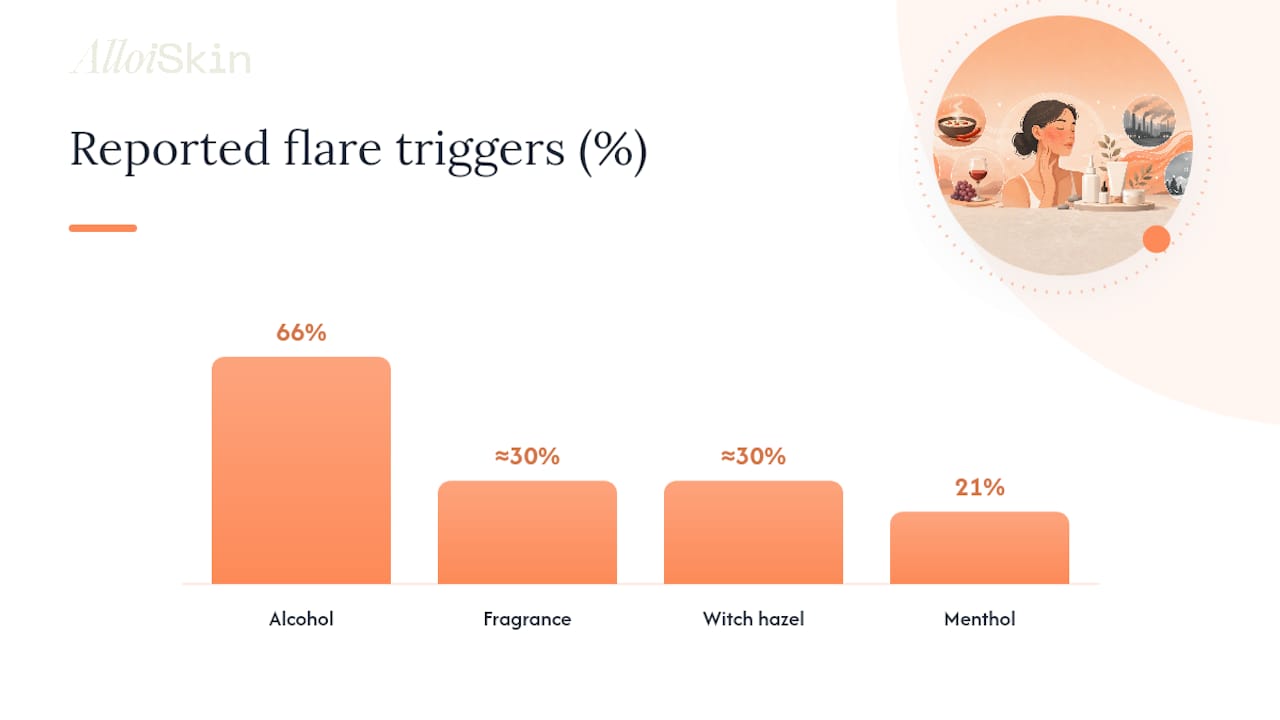
Certain ingredients show up again and again as flare triggers, and cutting them out is often the single biggest improvement you can make to a damaged skin barrier. A survey of over 1,000 rosacea patients found that alcohol was flagged by 66% as a product irritant, with witch hazel and fragrance each cited by roughly 30%, and menthol by 21%.
Avoid these in skincare products:
- Fragrance or parfum, and alcohol denat
- Menthol, camphor, eucalyptus oil, and peppermint
- Witch hazel and sodium lauryl sulfate (SLS)
- Most essential oils, even ones marketed as “calming”
Also skip physical exfoliants entirely. Scrubs, cleansing brushes, and abrasive sponges disrupt an already compromised barrier. Hot water and steam do the same thing internally, dilating blood vessels and worsening visible redness.
Day-to-day habits matter just as much. Hot drinks, spicy food, alcohol, and sudden temperature swings are common flare triggers for many people with rosacea. You don’t need to eliminate all of them permanently. Instead, note which ones affect you, sip hot coffee through a straw if it helps, and keep a travel-size SPF on hand for sudden sun exposure.
When Should You Add Azelaic Acid or See a Dermatologist?
Azelaic acid is often the first active worth trying because it’s generally well tolerated and works on both inflammatory bumps and background redness, unlike many acne actives that are too harsh for reactive skin.
- Start slowly. Apply a pea-sized amount every other night for the first two weeks, watching for stinging or increased redness.
- Increase gradually to nightly use only if your skin tolerates the every-other-night schedule without irritation.
- Give it time. Visible improvement in redness and bumps typically shows up over 4 to 12 weeks, not days.
- If trying a retinoid, start at the lowest available concentration and consider a “retinol sandwich,” moisturizer first, then retinoid, then moisturizer again, and limit use to two or three nights weekly.
- Only add retinoids after the barrier is stable. Combining two new actives while your skin is still reactive makes flares harder to trace.
See a dermatologist if you’re dealing with persistent papules or pustules, eye irritation (ocular rosacea can look like chronic dry eye or styes), or if nothing has improved after 12 weeks of consistent basics. Prescription options like topical ivermectin, topical metronidazole, or low-dose oral doxycycline are common next steps a dermatologist may recommend for moderate to severe cases.
Which Moisturizer Ingredients Actually Repair the Rosacea Barrier?
Look for ceramides, hyaluronic acid, glycerin, panthenol, and squalane. These ingredients rebuild lipid structure and pull in moisture without provoking inflammation, and they form the foundation of any real skin barrier repair routine.
- Ceramides replace lipids that rosacea-prone skin loses faster than normal skin.
- Hyaluronic acid and glycerin draw water into the surface layers, best applied to slightly damp skin.
- Panthenol soothes and supports barrier function without added fragrance.
- Squalane mimics skin’s natural oils and works well as a final sealing step in dry climates or winter months.
Avoid heavy fragrances and essential oils even in moisturizers marketed as “sensitive skin” formulas; the label doesn’t always match the ingredient list. Adjust richness seasonally: a lighter lotion in summer, a heavier cream in winter, and consider a brief period of occlusion (like a thicker balm) at night if dryness becomes severe.
One nuance worth knowing: research on cleansing habits in rosacea patients found that both under-cleansing and over-cleansing can affect Demodex mite density on the skin, a factor linked to inflammation. The takeaway isn’t to scrub harder. It’s to cleanse consistently, once or twice daily, without skipping it out of fear or overdoing it out of habit.
Why some skincare brands build around fewer, stronger ingredients
Rosacea-prone skin doesn’t need more ingredients. It needs the right ones, at doses that actually do something. That’s the formulation principle behind Alloi Skin: copper peptide (GHK-Cu) and Matrixyl 3000 paired with panthenol, betaine, and hyaluronic acid, dosed at levels studied for barrier repair rather than diluted across a long ingredient list.
Peptides and humectants support the skin’s own repair processes; they don’t replace a stable barrier, they help rebuild one. For rosacea-prone skin, that distinction, support versus overcorrection, is what separates a routine that calms skin from one that keeps testing its limits.
If you introduce a peptide serum, apply it after cleansing and before moisturizer, once your basics are steady.
Setting Realistic Expectations for Rosacea Skin
Give any new routine 2 to 4 weeks before expecting calmer skin day to day, and 4 to 12 weeks before judging real change in redness or bumps. Take photos in the same lighting weekly, keep a short trigger diary, and resist the urge to swap products every time you don’t see instant results. Frequent changes are often what keep skin reactive. If papules persist, redness worsens quickly, or you notice eye irritation, bring it to a dermatologist rather than adding another product to troubleshoot it yourself.
— Alloi Skin
A Focused Serum Option Worth Adding Once Your Basics Are Stable
Once your cleanse, moisturize, and SPF routine feels steady, the VitalCopper Renewal Face Serum is worth considering as a next step rather than a starting point. It pairs copper peptide (GHK-Cu) and Matrixyl 3000 with panthenol, betaine, and hyaluronic acid, built around the same barrier-first philosophy this routine follows, without a long list of actives competing for attention.
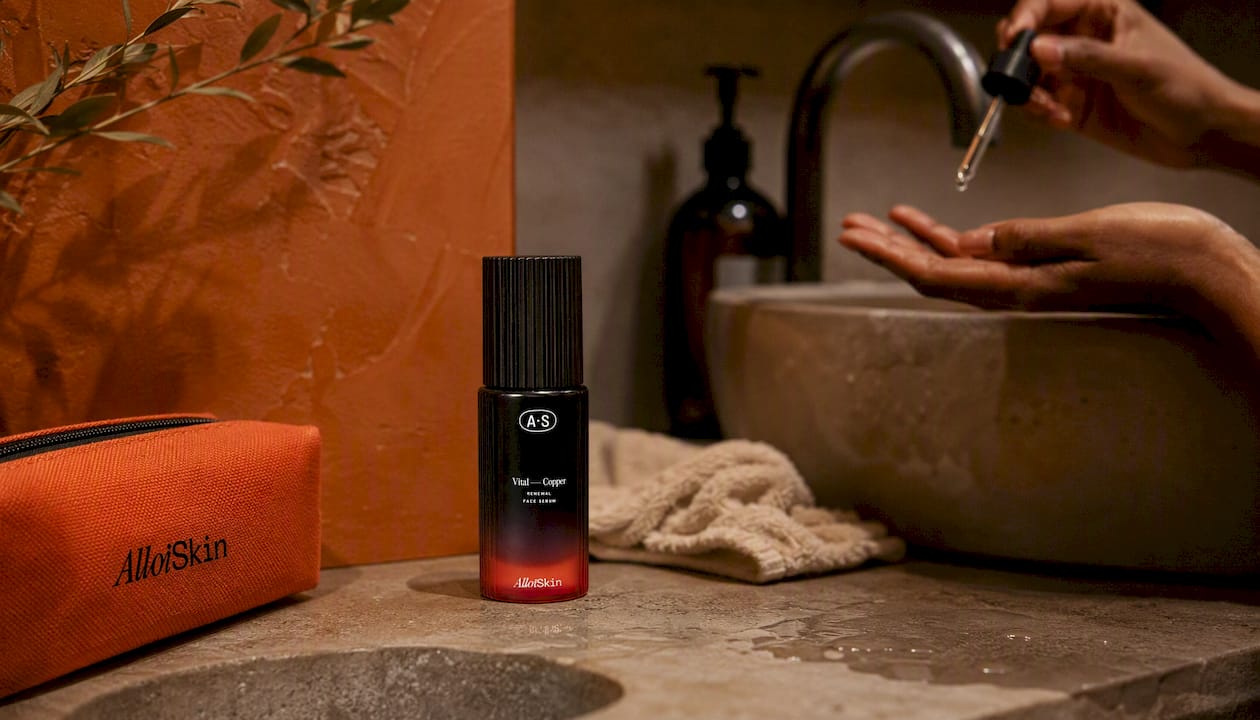
If you decide to try it, start on alternate nights for the first two weeks and watch for any change in flushing before moving to nightly use. For readers combining it with a retinoid down the line, this guide to layering copper peptides and retinol walks through sequencing so the two don’t cancel each other out. As always, anyone considering prescription-strength treatment alongside a serum should loop in a dermatologist first. To get started, visit the VitalCopper product page and add it to your evening routine once your skin is ready.
Sources
For readers who want to go deeper, the AAD’s rosacea care tips, this peer-reviewed rosacea treatment review, and Rosacea.org’s patient survey on irritants cover the clinical basis for the guidance above in more detail.
This article is general information, not a substitute for advice from a qualified doctor. Consult a qualified healthcare professional about your own circumstances before acting on anything here.
FAQ
What Should You Avoid Putting on Rosacea Skin?
Avoid fragrance, alcohol denat, menthol, camphor, witch hazel, eucalyptus oil, peppermint, and physical exfoliants like scrubs or cleansing brushes. A patient survey found alcohol was the most commonly reported irritant, flagged by 66% of respondents.
Should Moisturizer Go Before or After Sunscreen?
Apply barrier moisturizer first, let it absorb briefly, then apply mineral sunscreen on top as the final step before makeup. This order lets the moisturizer support the barrier while sunscreen forms a protective layer against UV and visible light triggers.
Should You Wash Your Face Every Day if You Have Rosacea?
Yes, daily cleansing is recommended, but the method matters more than the frequency. Use a gentle, non-foaming cream cleanser with lukewarm water once or twice daily, since both under-cleansing and overly aggressive cleansing can disrupt the skin barrier and affect mite density.
What Do Dermatologists Recommend for Daily Rosacea Care?
A minimal routine of gentle cleansing, fragrance-free barrier moisturizer, and daily mineral sunscreen forms the dermatologist-endorsed foundation for rosacea, with azelaic acid often added as a well-tolerated first active once the basics are stable.


