


Yes, niacinamide and peptides are chemically compatible and work well together for anti-aging and barrier support. Niacinamide calms and strengthens the skin’s surface, while peptides send collagen-building signals deeper in the dermis. Most people notice smoother, calmer skin within a few weeks, with firmness and texture gains building over two to three months of consistent use.
TL;DR:
- Studies show that using 4 to 5 percent niacinamide yields noticeable improvements in skin texture, tone, and barrier function within a few weeks.
- Peptides like Matrixyl and GHK-Cu support collagen production and tissue repair, but their effectiveness depends on formulation stability and concentration.
- Combining niacinamide and peptides is safe because they target different skin layers, with no pH conflicts, and support increased absorption from a stronger skin barrier.
- An 8-week clinical trial found that a regimen with niacinamide, peptides, and retinyl propionate can reduce wrinkles as effectively as low-dose tretinoin, with fewer side effects.
- Layer niacinamide first for serums, waiting 60 to 90 seconds before applying peptides, and avoid layering with strong acids or retinoids without proper timing to prevent irritation.
Table of Contents
- How Niacinamide and Peptides Work Together on Skin
- What Concentration of Niacinamide Actually Works?
- Which Peptides Actually Have Evidence Behind Them?
- Do Clinical Studies Support This Combination?
- How Should You Layer Niacinamide and Peptides?
- Is It Safe to Mix Niacinamide With Other Actives?
- Sample Routines Using Niacinamide and Peptides
- Why Alloi Skin Builds Around Niacinamide and Peptides
- Why Simpler Skincare Usually Wins
- Ready to Simplify Your Anti-Aging Routine?
- Sources
- FAQ
How Niacinamide and Peptides Work Together on Skin
Niacinamide and peptides do not compete for the same job. They divide the labor between two different layers of skin biology, which is exactly why combining them makes sense instead of being redundant.
Niacinamide is a form of vitamin B3 that fuels the NAD+ pathway, a cellular energy system that supports ceramide production, the fatty molecules that hold your skin barrier together. It also curbs excess transfer of pigment-producing melanosomes to surface cells, which is why it evens out tone over time. Think of niacinamide as a groundskeeper: it repairs the surface, fixes leaks in the barrier, and keeps inflammation low.
Peptides work at a different address. Short amino acid chains like matrikines act as messengers, essentially tricking skin cells into behaving as though collagen has broken down, which triggers new collagen production. Carrier peptides such as GHK-Cu (copper tripeptide-1) go a step further, delivering copper to support the skin’s natural repair signaling. Peptides are less like groundskeepers and more like foremen, issuing instructions that change how deeper cells build structure.
The two ingredients also happen to get along at the formulation level. Niacinamide is stable across a broad pH range, and most peptides used in serums are formulated to be compatible with it, so there is no meaningful chemical conflict in a well-made product. A healthier barrier, courtesy of niacinamide, also means peptides face less resistance getting into skin and staying active once there.
Three things matter most when you evaluate a combined regimen:
- Different pathways, same goal. Niacinamide addresses barrier and pigment; peptides address structural firmness.
- Sequential support. A stronger barrier from niacinamide use tends to improve how well peptides perform.
- No pH conflict. Unlike some acid pairings, niacinamide and peptides do not require special buffering to coexist.
Quick fact: Human trials support niacinamide at 4 to 5 percent concentrations for measurable improvements in texture, tone, and barrier function, which is the range most formulators build around.
What Concentration of Niacinamide Actually Works?
Concentration is where a lot of skincare marketing gets sloppy, so it is worth being precise here. Controlled human studies consistently point to 4 to 5 percent niacinamide as the range that produces measurable results, including reduced transepidermal water loss (TEWL), improved texture, and visibly reduced hyperpigmentation.
Above 5 percent, the evidence for extra benefit gets thin, while the odds of irritation, transient flushing, or a tingling sensation go up. Alloi Skin’s own ingredient reference on niacinamide walks through why more is not automatically better here. It may simply be doing more math to make a bigger number look impressive.
Niacinamide is genuinely one of the more forgiving actives you can put on your face. Most skin types tolerate it well, including sensitive and rosacea-prone skin, because it works with the barrier rather than against it. That tolerability profile matters because it means niacinamide rarely needs to be “worked up to” slowly the way retinoids do.
Who benefits most:
- Oily and acne-prone skin sees reduced sebum production and fewer breakouts over time.
- Uneven or post-inflammatory pigmentation responds well within 8 to 12 weeks of daily use.
- Reactive or redness-prone skin tends to calm down as barrier function improves.
By the numbers: Multiple controlled trials place the effective niacinamide range at 4 to 5 percent, which is the concentration window worth checking for on any product label before you buy.
Which Peptides Actually Have Evidence Behind Them?
Not all peptides are created equal, and the category name hides a lot of variation in evidence quality. Three types show up most often in legitimate formulations, each with a distinct job.
Palmitoyl pentapeptide-4, commonly sold under the name Matrixyl, is a signal peptide that prompts fibroblasts to produce more collagen and elastin. Matrixyl 3000 is a refined version combining two peptide fragments for a broader signaling effect. GHK-Cu, or copper tripeptide-1, is a carrier peptide that delivers copper ions to support tissue remodeling and has mechanistic and clinical support for boosting collagen markers, though the strength of that evidence varies by study size and formulation.
That variability is the honest caveat here. Peptide research spans everything from small pilot studies to broader trials, and results depend heavily on concentration, delivery system, and how stable the peptide remains in the final product. A peptide that performs in a lab assay does not automatically perform the same way once it is diluted into a consumer serum sitting on a shelf for a year.
Peptides also have a ceiling. They are not a replacement for prescription retinoids or procedures like microneedling when someone needs aggressive correction of deep static wrinkles. Peptides are better suited to prevention, maintenance, and gradual firmness improvement rather than dramatic transformation. For a full breakdown of peptide types and where collagen tripeptides fit for more mature skin, Alloi Skin’s guide to collagen tripeptides covers the distinctions in more depth.
- Matrixyl / Pal-KTTKS: signals collagen production, well suited to fine lines.
- GHK-Cu: supports tissue repair and firmness signaling.
- Formulation stability: determines whether lab results translate to real-world use.
Pro Tip: Check the ingredient list order. A peptide listed near the end of a long ingredient deck is likely present at a fraction of a percent, well below the concentration used in the studies backing its claims.
Do Clinical Studies Support This Combination?
The strongest evidence for pairing niacinamide with peptides comes from an 8-week randomized controlled trial involving 196 women.
A cosmetic niacinamide, peptide, and retinyl propionate regimen produced wrinkle reduction comparable to a low-concentration tretinoin prescription regimen at 8 weeks, while the cosmetic group reported better tolerability overall.
That is a meaningful finding, not because it dethrones tretinoin, but because it shows a well-formulated, non-prescription regimen can compete with a proven prescription standard on wrinkle reduction while causing less irritation. Tretinoin works, but it also causes peeling, redness, and sun sensitivity that many people find hard to sustain long term. A regimen that gets you comparable results without the flare-ups is a genuinely different value proposition.
The endpoints researchers tracked, fine line depth, overall wrinkle severity, and tolerability scores, matter more to routine builders than raw ingredient percentages. They tell you what actually shows up on skin, not just what happens in a test tube.
Timelines matter here too. Surface-level changes, less redness, better hydration, more even tone, tend to show up within the first several weeks. Structural changes, the kind that come from sustained collagen signaling, take longer to accumulate and generally require 8 to 12 or more weeks of consistent use before firmness improvements become obvious. Anyone expecting overnight results from peptides specifically is measuring on the wrong timeline.
How Should You Layer Niacinamide and Peptides?
Layering order is simpler than most routines make it look, and it comes down to one rule: thinnest, most water-based formulas go first.
- Cleanse and pat dry. Starting with clean, dry skin gives every following product a fair shot at absorbing.
- Apply niacinamide first if using separate serums. Its lightweight, water-based texture penetrates faster than thicker peptide formulas; for detailed guidance, see this Korean Skincare Layering Guide: Order, Textures & Timing.
- Wait 60 to 90 seconds before applying a peptide serum, so the first layer has time to settle rather than getting diluted or pushed around.
- Follow with moisturizer to lock in hydration and support barrier repair.
- Finish every morning with sunscreen, since neither ingredient offers UV protection on its own.
Many modern serums now combine niacinamide and peptides into a single formula, which sidesteps the layering question entirely and reduces the chance of user error. A combined serum is often the more practical choice for anyone who finds multi-step routines hard to maintain.
At night, if you are also using a retinoid, apply niacinamide and peptides first, let them absorb fully, then follow with the retinoid on alternating nights while your skin adjusts. Alloi Skin’s guide on peptides versus retinol breaks down that spacing decision in more detail. Anyone trying a new combination for the first time should patch test on the inner forearm for two to three nights before applying it to the face.
Pro Tip: If you’re introducing both ingredients at once, start every other night for the first two weeks rather than twice daily. Your skin barrier needs time to adjust, even to well-tolerated actives.
Is It Safe to Mix Niacinamide With Other Actives?
Older skincare advice warned against mixing niacinamide with vitamin C, claiming the combination caused flushing or canceled out both ingredients. That concern traces back to lab conditions using unstable, older vitamin C formulations under heat, conditions that do not reflect how modern, stabilized products are actually made or used. In everyday formulations, niacinamide and peptides raise no such red flags.
Real caution belongs elsewhere. A few situations do call for spacing or buffering:
- Strong acids (glycolic, salicylic) at low pH can be layered with peptides and niacinamide, but applying them back-to-back without a buffer period may cause more irritation than either ingredient alone.
- Retinoids should generally be separated by time (same evening, applied after niacinamide/peptides absorb) rather than mixed in the same application.
- Copper peptides specifically deserve conservative spacing from direct-acid exfoliants, since copper ions can theoretically interact with certain acid formulations; most people avoid issues simply by using them at different times of day.
- Severe irritation, persistent redness, or burning that does not resolve within a day or two is a signal to stop and consult a dermatologist, not to push through it.
For most people with normal to sensitive skin, niacinamide and peptides layer without drama. The exceptions above are about minimizing unnecessary risk, not evidence of real incompatibility.
Sample Routines Using Niacinamide and Peptides
Here are three practical starting points, depending on how much time and complexity you want in your routine.
- Minimal: One combined niacinamide and peptide serum, morning and night, followed by moisturizer and (AM only) sunscreen. Best for people who want results without decision fatigue.
- Balanced: Separate niacinamide serum in the morning, peptide serum at night, both followed by moisturizer. Adds targeted dosing flexibility for oilier or drier skin.
- Full: Niacinamide and peptide serum daily, with a retinoid three nights per week and a gentle exfoliating acid one night per week, spaced apart from the retinoid nights. Suited to those comfortable managing a more advanced routine.
All three routines share the same core: niacinamide and peptides as the daily foundation, with anything stronger layered in carefully around them.
Why Alloi Skin Builds Around Niacinamide and Peptides
Alloi Skin formulates on one principle: include only actives proven to work, at the doses studies actually used. No filler ingredients, no inflated ingredient decks designed to look impressive on a label.
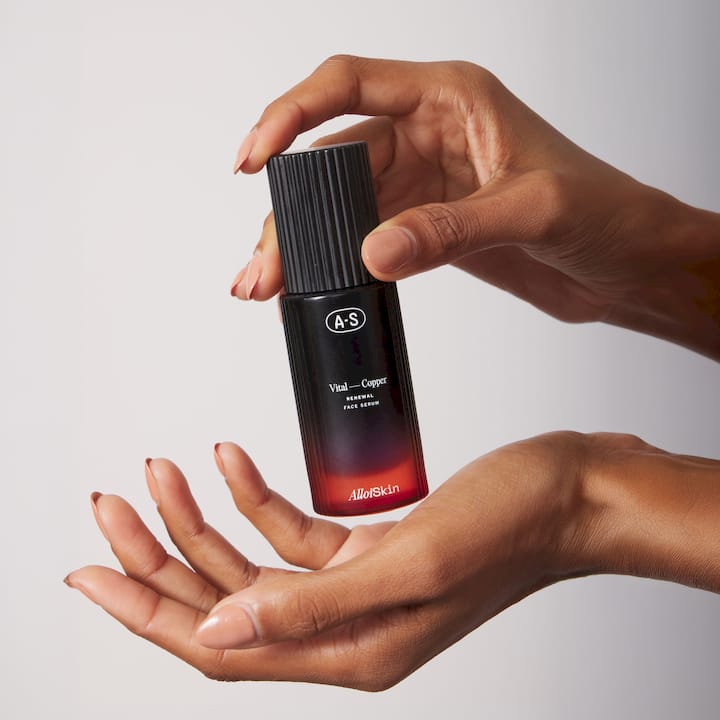
The VitalCopper Renewal Face Serum reflects that approach directly, combining GHK-Cu and Matrixyl 3000 at studied concentrations with niacinamide, plus panthenol, betaine, and hyaluronic acid to support the barrier while the peptides do their signaling work.
- Peptides dosed at levels used in published research, not trace amounts
- Niacinamide included to support barrier function and tolerability
- No unnecessary actives that dilute effective concentrations
- Formulated for consistent, measurable use over months, not quick fixes
Why Simpler Skincare Usually Wins
Skincare culture rewards complexity that does not serve skin. Ten-step routines and serums boasting fifteen actives make for compelling product photos, but most of those ingredients show up at concentrations too low to matter. What actually moves the needle is fewer, well-dosed actives used consistently over months, not weeks.
Niacinamide and peptides earn their place because the evidence behind them is specific: named concentrations, named mechanisms, and a real head-to-head trial against a prescription standard. That is a rare thing in an industry built on vague promises. If your routine is not producing visible change after three months, the problem is more often dosing or consistency than a missing miracle ingredient.
Track your skin the same way you would track any other health metric. Photos every two weeks, under the same lighting, tell you more than how your skin feels on any single day. And if you are dealing with deep, static wrinkles or medical-grade concerns, a dermatologist should be your first call, not a serum.
— Alloi Skin
Ready to Simplify Your Anti-Aging Routine?
If you have spent money on serums packed with a dozen actives but seen little change, the issue is usually dosing, not ingredient variety. The VitalCopper Renewal Face Serum takes the opposite approach: GHK-Cu and Matrixyl 3000 at the concentrations used in published research, paired with niacinamide, panthenol, betaine, and hyaluronic acid to support your barrier while the peptides work.
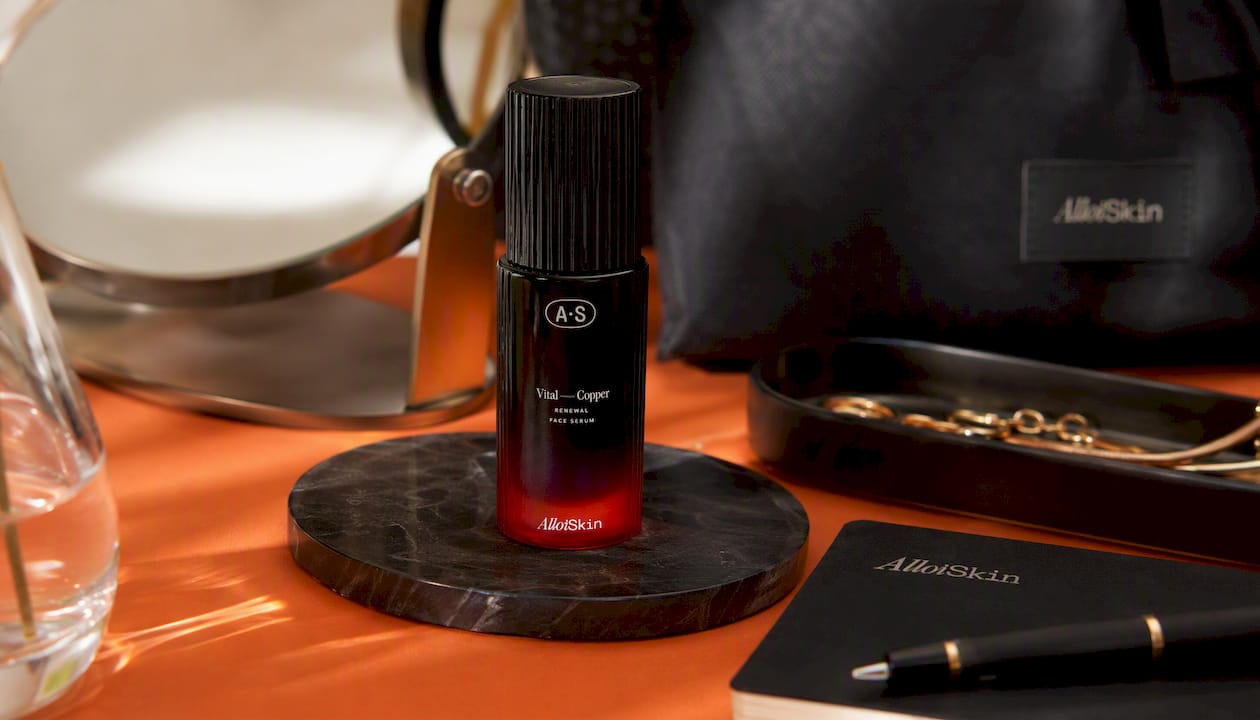
There is no guesswork about whether you are getting enough of any one active buried at the bottom of a long ingredient list. Every active in the formula is there because it does something specific, at a dose meant to do it. If the routines and mechanisms in this article made sense to you, the VitalCopper Renewal Face Serum is the practical next step: one serum, dosed properly, built to fit into the minimal routines described above.
Sources
FAQ
Can Niacinamide Be Used With Peptides?
Yes, niacinamide and peptides are chemically compatible and commonly formulated together, since niacinamide supports the barrier and tone while peptides target collagen signaling.
What Should You Not Mix With Niacinamide?
Niacinamide pairs safely with most actives, including peptides and vitamin C in modern stabilized formulas; the main caution is layering it with strong acids without spacing, which can increase irritation risk.
What Should I Not Mix With Peptides?
Peptides generally tolerate niacinamide and gentle hydrators well; the ingredients worth spacing out are potent exfoliating acids and retinoids, which are better used at separate times to limit irritation.
What Do You Apply First, Niacinamide or Peptide?
Apply niacinamide first if using separate serums, since its lighter, water-based texture absorbs faster, then follow with a peptide serum once the niacinamide has settled into the skin.


