


For most people chasing visible anti-aging results, a retinoid does more, faster, than any peptide serum on the market today. Peptides are a gentler, supportive layer, not the primary driver of change. The two are not rivals so much as teammates with different job descriptions: retinol remodels, peptides reinforce.
Here’s when peptides deserve the lead role instead:
- Your skin barrier is compromised, reactive, or newly post-procedure, and retinoid irritation isn’t worth the tradeoff right now.
- You’re pregnant, nursing, or otherwise avoiding topical retinoids for medical reasons.
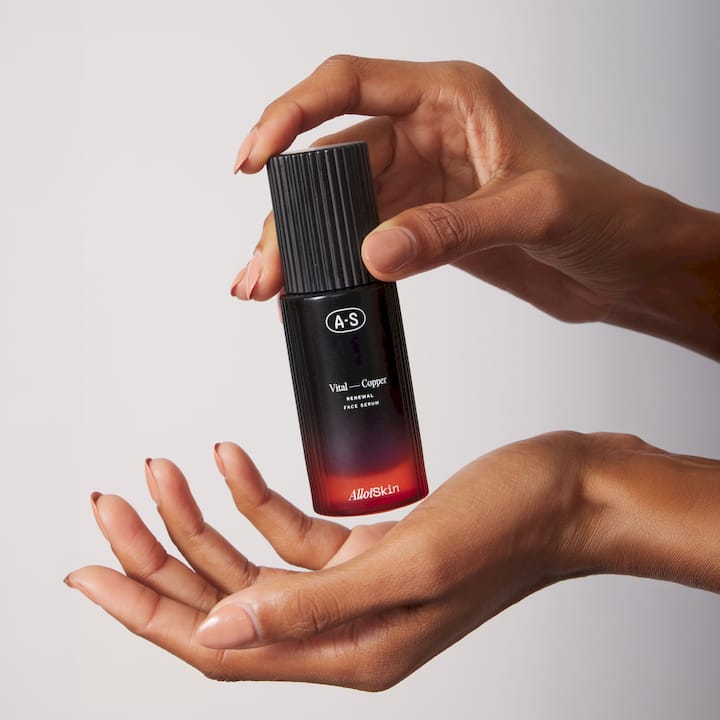
The simplest routine that respects both is: peptides in the morning under sunscreen and retinol at night. If you want to use both in the same session, apply retinol first and wait a short wait before layering a peptide serum. Alloi Skin’s VitalCopper Renewal Face Serum is built for exactly this supportive role, pairing copper peptides with barrier actives rather than trying to outmuscle a retinoid.
Key Takeaways
Retinol remains the strongest single anti-aging active by clinical evidence, while peptides serve best as a gentler complement or a safe alternative when retinoids are off the table.
| Point | Details |
|---|---|
| Retinol leads on evidence | Decades of trial data show measurable collagen increases and wrinkle reduction. |
| Peptides win on tolerability | Signal peptides and matrikines rarely cause irritation, making them ideal for sensitive skin. |
| Copper peptides need separation from retinol | GHK-Cu can oxidize retinol, so alternate nights or split AM/PM use. |
| Pregnancy calls for peptides only | Topical retinoids are not recommended during pregnancy or nursing. |
| Alloi Skin fits the supportive role | VitalCopper Renewal Face Serum pairs GHK-Cu and Matrixyl 3000 at studied doses for barrier repair alongside retinol use. |
Table of Contents
- Peptides Vs Retinol: What Peptides Actually Do for Skin
- What Is Retinol and How Does It Treat Aging Skin?
- Retinol Vs Peptides: How Do They Compare Head to Head?
- Is It Safe to Combine Retinol and Copper Peptides?
- How to Layer Peptides and Retinol in One Routine
- Which Should You Choose Based on Your Skin Goals?
- Where Alloi Skin’s Evidence Stands on VitalCopper
- Studies and Reviews Behind This Comparison
- Why the “Pick One” Framing Gets This Wrong
- Get the Supportive Peptide Serum Built for This Exact Routine
- Sources
- FAQ
Peptides Vs Retinol: What Peptides Actually Do for Skin
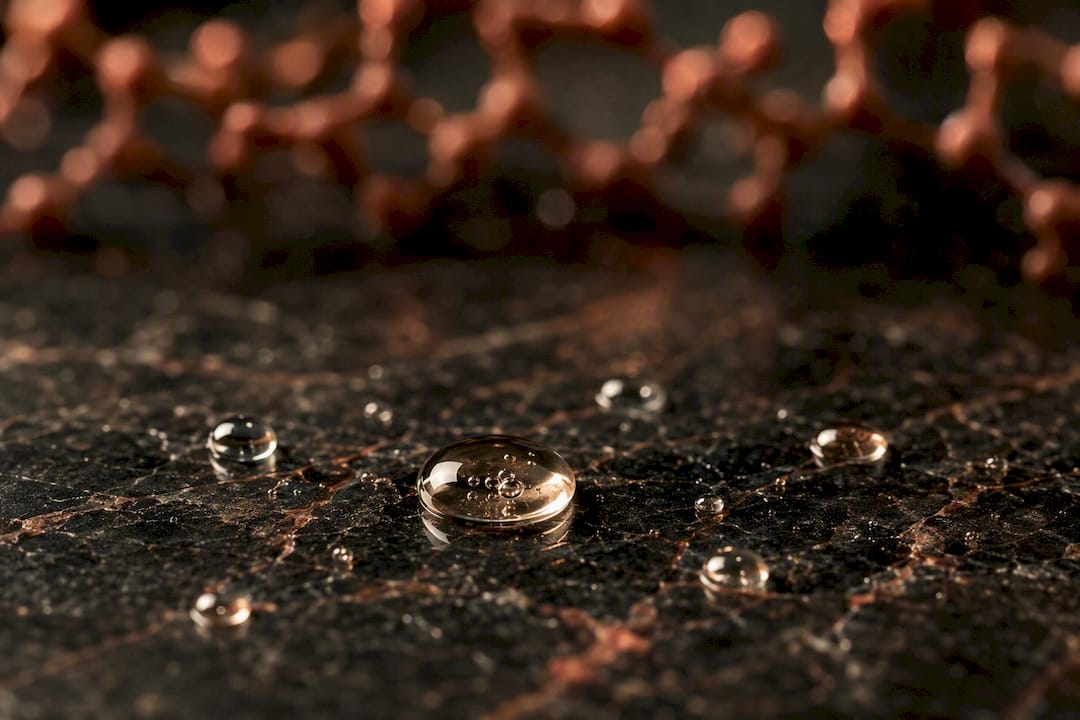
Peptides are short chains of amino acids that signal skin cells to behave a certain way, rather than forcing a change the way an acid or retinoid does. Think of them as messages, not machinery. The three classes you’ll see most often on ingredient labels are signal peptides, matrikines, and copper peptides, and each one sends a different instruction.
Signal peptides, like the palmitoyl pentapeptide-4 found in Matrixyl, nudge fibroblasts toward the TGF-β pathway, a signaling route that ramps up collagen production. Matrikines are fragments that mimic pieces of broken-down collagen and elastin. When skin detects these fragments, it interprets them as damage and starts repair mode, even though nothing was actually torn. Copper peptides, most notably GHK-Cu, support wound healing and connective tissue repair, which is why they show up in serums aimed at recovery and barrier resilience rather than aggressive resurfacing.
The evidence behind peptides is real but modest. Palmitoyl pentapeptide-4 has measurable, if smaller, wrinkle-reduction effects in human trials compared with what retinoids produce. Most peptide research comes from a mix of small human trials and in vitro cell studies. That’s a legitimate evidence base, just a thinner one than retinol’s decades of clinical trial data.
What you’ll notice, and when:
- Hydration and bounce improve within a few weeks for most peptide users.
- Firmness and fine-line softening tend to show up gradually over one to three months.
- Irritation is rare, which is the entire appeal for reactive or barrier-compromised skin.
A 2025 head-to-head trial found a cyclized peptide actually outperformed a very low-dose retinol comparator on some wrinkle measures. That result says less about peptides being underrated and more about how much retinol’s strength varies by formulation. Not every “retinol” product on a shelf delivers a meaningful dose.
What Is Retinol and How Does It Treat Aging Skin?
Retinol belongs to the retinoid family, a group of vitamin A derivatives that also includes prescription tretinoin and over-the-counter retinaldehyde. Once absorbed, retinol converts through a couple of enzymatic steps into retinoic acid, the active form your skin cells actually respond to. That conversion step is the whole reason retinol is gentler than tretinoin: it has to be processed before it works, which slows both the benefits and the irritation.
The evidence for retinoids is not thin. It’s decades deep. Randomized controlled trials and histology studies consistently show increased epidermal thickness and higher collagen synthesis, along with measurable wrinkle reduction, across formulations and concentrations. Few skincare ingredients have this much accumulated clinical weight behind them.
Potency and timeline differ sharply by formulation:
- Over-the-counter retinol (typically 0.1% to 1%) needs to convert to retinoic acid first, so results build over two to three months of consistent use.
- Prescription tretinoin is already in its active form, works faster, and comes with a steeper irritation curve in the first month.
- Retinaldehyde sits in potency between the two, converting in a single step rather than two.
Common side effects, mostly clustered in the first two to six weeks, include redness, peeling, dryness, and a stinging sensation on application. These almost always fade as skin builds tolerance, which is why a slow introduction schedule matters more than the product you choose. A notable 2010 trial found that a peptide and retinyl propionate combination matched prescription a low concentration tretinoin for wrinkle improvement at several months, while causing less irritation during the first eight weeks. That’s one of the strongest pieces of evidence that a well-formulated combination approach can rival a prescription retinoid on results while sparing you some of the early discomfort.
Retinol Vs Peptides: How Do They Compare Head to Head?
Line them up across the factors that actually matter for a purchase decision, and the picture is consistent: retinol wins on power, peptides win on comfort.
Evidence strength. Retinol, and especially prescription tretinoin, carries the deepest clinical trial history of any topical anti-aging ingredient. Peptides have real support, but it’s built on smaller studies and a narrower set of well-researched molecules like Matrixyl. If you want the ingredient with the most data behind it, retinol takes that category outright.
Speed and size of results. Retinoids typically produce larger, more visible changes in texture, tone, and fine lines, and they do it faster than most peptide serums. Peptides tend to deliver a slower, subtler improvement, more noticeable in hydration and bounce than in deep wrinkle reduction.
Tolerability. This is where peptides pull ahead decisively. Retinol commonly causes redness, flaking, and stinging during the adjustment period. Peptides rarely cause any irritation at all, which makes them the safer starting point for reactive, thin, or barrier-compromised skin.
Pregnancy and nursing safety. Topical retinoids are not recommended during pregnancy or breastfeeding, based on established safety guidance. Peptides carry no such restriction and are the preferred anti-aging option for that stage of life.
A quick summary of where each one stands:
- Strongest evidence: retinol, particularly prescription tretinoin.
- Fastest visible change: retinol.
- Gentlest on sensitive skin: peptides.
- Safe during pregnancy: peptides.
- Best proven combination: a peptide plus retinyl propionate regimen, which matched tretinoin’s results with better early tolerability.
None of this makes peptides a lesser product. It makes them a different tool, one built for support and recovery rather than aggressive remodeling.
Is It Safe to Combine Retinol and Copper Peptides?
Most retinol side effects are predictable and manageable if you know what to expect going in.
- Redness and flaking in weeks one through three respond well to a “moisture sandwich”: apply a plain moisturizer, then retinol, then another layer of moisturizer on top.
- Stinging on application usually means you’re using retinol too often too soon. Drop back to two or three nights a week and build up gradually.
- Persistent irritation past six weeks is a signal to lower concentration or switch to a gentler retinoid derivative rather than push through.
Copper peptides deserve a specific callout here. GHK-Cu is one of the most studied peptides for repair, but copper is also a known catalyst for oxidizing retinol, which degrades the retinol before it can do its job and can generate irritating byproducts in the process. That’s the actual mechanism behind the “don’t mix them in the same layer” advice you’ll see from formulators. The fix is simple: use copper peptides and retinol at separate times of day, or on alternating nights, rather than stacking them back to back.
Pregnancy changes the calculation entirely. Topical retinoids are not recommended during pregnancy or while nursing, and peptides are the go-to substitute for anyone in that window who still wants an anti-aging routine.
Pro Tip: If your skin is still red or flaking two hours after applying retinol, you’re either using too much product or applying it too often. A pea-sized amount for the whole face, a few nights a week, is the correct starting dose for almost everyone.
See a dermatologist if you notice swelling, blistering, or irritation that doesn’t improve after a month of reduced frequency. That’s beyond normal retinization and worth a professional look.
How to Layer Peptides and Retinol in One Routine
The order you apply these products in matters almost as much as the products themselves.
- Split them by time of day. Use a peptide serum in the morning under sunscreen, and save retinol for nighttime. This is the easiest, lowest-risk approach and works for most skin types.
- If you’re layering in one session, apply retinol first on clean, dry skin. Wait a short wait before adding your peptide serum, giving the retinol time to absorb before anything else touches it.
- Skip the same-session layering with copper peptides specifically. Because copper can oxidize retinol on contact, alternate nights or stick to the AM peptide, PM retinol split instead.
- Ramp up retinol slowly. Start at two nights a week for the first two weeks, then increase to every other night, then nightly if your skin tolerates it. Pair it with a barrier-supporting moisturizer containing panthenol or hyaluronic acid to buffer the dryness.
- Traveling or short on time? An alternate-night schedule, retinol one night, peptide serum the next, is a reasonable simplified version that still gets both actives into your week without any wait-time math.
Pro Tip: Apply retinol to fully dry skin, not damp skin. Water on the skin’s surface increases retinol’s penetration rate, which is exactly what you don’t want during the first month of use.
Which Should You Choose Based on Your Skin Goals?
The right choice depends less on which ingredient sounds more advanced and more on what your skin actually needs right now.
If deep wrinkles and textural change are the priority and your skin tolerates actives well, retinol should be the anchor of your routine. If your main concerns are hydration, mild fine lines, or general skin resilience, a peptide serum can be the whole routine, not just a supporting player. Sensitive, reactive, or post-procedure skin should default to peptides first and introduce retinol later, once the barrier is stable. Pregnant or nursing readers should skip retinoids altogether and lean on peptides as their anti-aging option.
When reading an ingredient label, a few details tell you more than the marketing copy does:
- Peptide type matters. Look for named, studied peptides like palmitoyl tripeptide-1 or copper tripeptide-1 (GHK-Cu) rather than a vague “peptide complex.”
- Concentration signals matter more than the presence of an ingredient. A serum that lists ten peptides at trace amounts is weaker than one that lists two at their studied dose.
- Carrier and supporting actives count. Panthenol, betaine, and hyaluronic acid support barrier function and help peptides do their job without added irritation.
This is precisely the gap Alloi Skin’s VitalCopper Renewal Face Serum was built to fill: copper tripeptide-1 and Matrixyl 3000 at studied doses, without a dozen other ingredients diluting the formula. If your goal is barrier repair and structural support alongside, or instead of, a retinoid, it fits the supportive role this article describes rather than trying to replace what retinol does.
| Dimension | Retinol | Peptides |
|---|---|---|
| Evidence strength | Decades of RCT and histology data | Smaller trials, strongest for named peptides like Matrixyl |
| Speed of results | Visible change in two to three months | Gradual improvement over months |
| Tolerability | Common early irritation | Rarely irritating |
| Pregnancy safety | Not recommended | Preferred alternative |
Where Alloi Skin’s Evidence Stands on VitalCopper
Alloi Skin formulates on one rule: fewer ingredients, correct doses, and no filler actives added just to lengthen a label. That approach shapes everything about how the brand’s formulation method is built, and it’s the direct opposite of the “20 peptides, none at an effective dose” pattern common across the category.
The ingredient reasoning behind VitalCopper is documented, not asserted. A few places worth reading if you want the specifics:
- The brand’s formulation standard, which explains why concentration and ingredient count matter more than a long label.
- Palmitoyl tripeptide-1’s evidence page, covering what this Matrixyl-family peptide is actually studied to do.
- Collagen tripeptides versus collagen peptides, for readers trying to understand why peptide naming gets confusing fast.
VitalCopper pairs GHK-Cu and Matrixyl 3000 with panthenol, betaine, and hyaluronic acid, actives chosen to support the skin barrier while the peptides do their signaling work. That combination targets repair and resilience, the areas where peptides have their strongest, best-documented role, rather than competing with retinol on raw remodeling power.
Not all peptide serums are interchangeable. Some peptides are built for barrier repair, others for signaling collagen synthesis, and a formula only works if it matches the peptide technology to the actual skin need.
Studies and Reviews Behind This Comparison
The clinical case here rests on a handful of sources: the 2010 peptide versus tretinoin trial, the NCBI review of retinoid evidence, the peptide mechanisms and evidence review, and the 2025 combination-formula study.
Why the “Pick One” Framing Gets This Wrong
Most skincare advice treats retinol and peptides as a fork in the road, choose your side and stay there. That framing doesn’t hold up against the actual research. The strongest data point in this whole comparison isn’t retinol beating peptides or peptides beating retinol. It’s a 2010 trial showing a combination regimen matching prescription tretinoin’s results while causing less irritation early on.
What gets overlooked is that peptide quality varies enormously, and generic “peptide complex” labeling hides that variation. A serum built around a studied dose of a named peptide behaves nothing like one with a dozen peptides at trace amounts. That distinction matters more than the retinol versus peptide debate itself.
If you’re starting from scratch, prioritize barrier tolerance first. A retinoid that causes six weeks of flaking and gets abandoned delivers zero results. A well-dosed peptide serum that you actually use consistently, alongside a slow, correctly paced retinol introduction, beats either ingredient used aggressively and alone.
— Alloi Skin
Get the Supportive Peptide Serum Built for This Exact Routine
If you’ve read this far, you already know peptides work best as backup for a retinoid routine, not a replacement for one, and finding a peptide serum dosed correctly for that job is harder than it should be. Most shelves are stacked with serums listing ten or more peptides, none at a concentration that matches the clinical studies behind them.
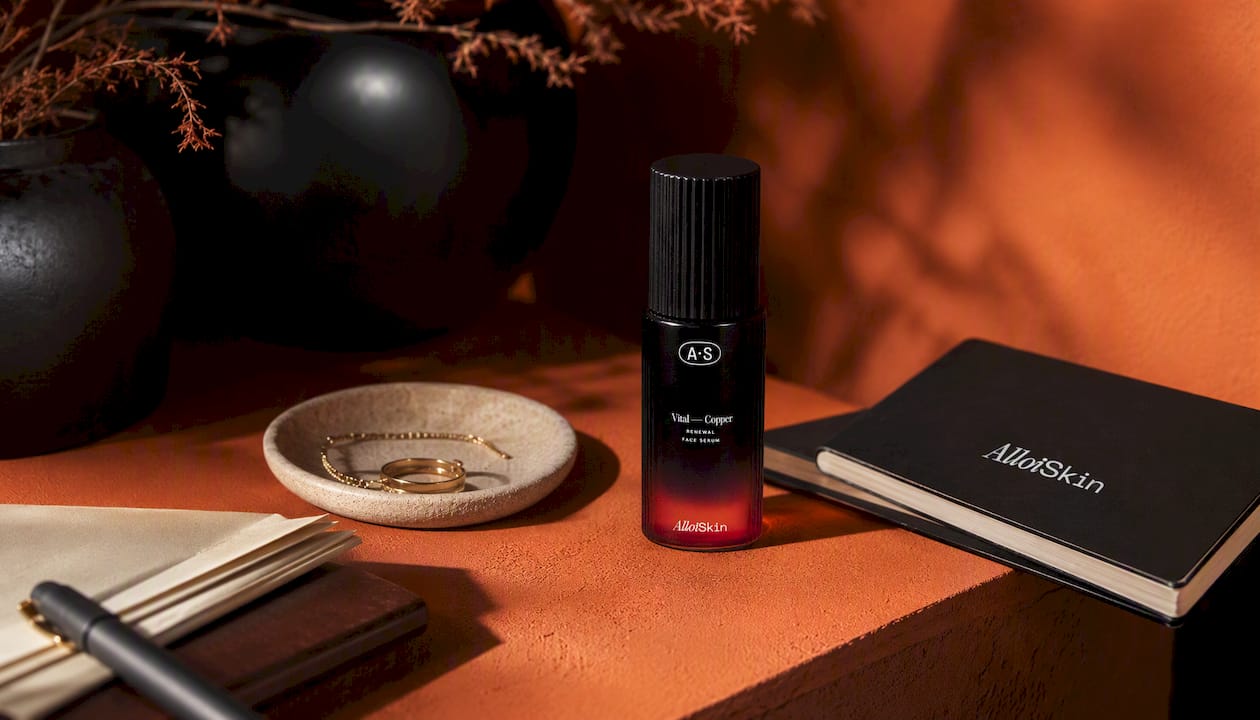
Alloi Skin built the VitalCopper Renewal Face Serum around exactly two studied peptides, copper tripeptide-1 (GHK-Cu) and Matrixyl 3000, at the doses used in the research behind this article, paired with panthenol, betaine, and hyaluronic acid to support your barrier while your retinol does the heavier remodeling work. There’s no guesswork about whether the peptide on the label is actually doing anything. If your routine includes retinol at night, add VitalCopper in the morning, or on your off nights if you’re using copper peptides, and give your skin the repair support it needs while the retinol handles the rest. Check the product page for current formulation details and start your morning layer this week.
Sources
- Fu et al. 2010 randomized trial (peptide+retinyl propionate vs tretinoin)
- NCBI review of topical retinoids and photoaging
- Review of peptides in topical skincare (mechanisms and evidence)
- 2025 study on retinol+HPR+peptides+silybin (mechanistic and clinical evaluation)
FAQ
Are Peptides Better Than Retinol for Anti-Aging?
No, not by clinical evidence. Retinol produces larger, faster improvements in wrinkles and texture, while peptides offer a gentler, more modest effect that’s better suited to sensitive skin or as a complement to retinol.
Can You Use Copper Peptides With Retinol?
Yes, but not layered together in the same application. Copper can oxidize retinol on contact, so apply them at separate times of day, such as peptides in the morning and retinol at night.
Should You Apply Retinol or Peptides First?
If you’re using both in one session, apply retinol first on dry skin, then wait a short wait before your peptide serum. Splitting them into AM peptides and PM retinol avoids the wait-time question entirely.
Do Peptides Actually Work for Wrinkles?
Yes, studied peptides like palmitoyl pentapeptide-4 show measurable, if smaller, wrinkle reduction in human trials compared to retinoids, with the added benefit of far less irritation.
What Should You Not Layer With Peptides?
Copper peptides specifically should not be layered directly with retinol, since copper can trigger oxidation that degrades the retinol. Strong acids, like glycolic or salicylic, can also destabilize certain peptides and are best used at a different time of day.


