


Stop the retinol immediately, and focus on calming inflammation and rebuilding the skin barrier over the following week. That means switching to a minimal, fragrance-free routine built around a barrier-repair moisturizer and daily sunscreen, using cool compresses and a short course of 1% hydrocortisone ointment if swelling or stinging is significant. See a clinician if you notice blistering, spreading redness, or signs of infection.
TL;DR:
- Using hydrocortisone ointment and avoiding exfoliants for up to six weeks can help skin recover from retinol burns and prevent further damage.
- Rebuilding the skin barrier relies on ingredients like physiologic lipids, panthenol, hyaluronic acid, and occlusive agents such as petrolatum, with consistent application being more effective than product variety.
- Signs of worsening or secondary infection, such as blistering, spreading redness, or severe pain, require immediate professional medical attention.
- After the skin stabilizes, reintroduce retinol gradually at lower concentrations and with buffering layers to minimize irritation risk.
- The VitalCopper Renewal Face Serum supports long-term barrier health with studied ingredients like copper peptides and Matrixyl 3000, suitable once irritation subsides.
Table of Contents
- Immediate actions to stop further injury and calm skin
- How to repair the skin barrier: ingredients, product choices, and layering
- Managing inflammation safely and red flags that require professional care
- How and when to reintroduce retinol after healing
- Alloi Skin’s evidence-based approach to barrier repair and where VitalCopper fits
- Practical expectations and emotional reassurance
- How VitalCopper Renewal Face Serum complements barrier repair
- Sources
- FAQ
Immediate actions to stop further injury and calm skin
The first move is also the most important one: stop the retinol and pause every other exfoliating active, including salicylic acid, glycolic acid, and benzoyl peroxide. Continuing to use these on inflamed, barrier-compromised skin only extends the damage. In more severe cases, it’s worth avoiding other exfoliants for up to six weeks while the skin recovers, according to dermatology guidance on healing retinol burns.
- Cleanse with a gentle, fragrance-free cleanser using lukewarm water, never hot, and pat dry instead of rubbing.
- Apply cool, damp compresses for 10 to 15 minutes at a time to reduce stinging and swelling.
- Skip makeup and any form of physical exfoliation, including wash cloths or brushes, until the skin feels stable.
- If irritation is significant, apply a thin layer of 1% hydrocortisone ointment once or twice daily for a few days, avoiding the eyelid area unless a clinician has specifically advised it.
- Check with your prescriber before restarting any other prescription topical, including acne or rosacea treatments, while you’re in recovery.
Pro Tip: Choose ointment over cream when using hydrocortisone. Ointments skip the preservatives that creams often need, and they add a layer of occlusion that helps stressed skin hold onto moisture while it heals.
How to repair the skin barrier: ingredients, product choices, and layering

A retinol burn is really a barrier problem. The outer layer of skin loses lipids faster than it can replace them, transepidermal water loss climbs, and inflammation lingers longer than it should. That inflammation is also what raises the risk of post-inflammatory hyperpigmentation, particularly in darker skin tones, which makes early, consistent barrier support more than a comfort measure.
Recovery is fastest with a small set of ingredients doing specific jobs:
- Physiologic lipids, sometimes labeled PLG or PLM, replace what the barrier lost and calm redness directly.
- Panthenol, also called provitamin B5, supports the skin’s natural repair process and reduces the sensation of tightness.
- Hyaluronic acid pulls water into the surface layer without adding any exfoliating effect.
- Petrolatum or another occlusive locks that moisture in and cuts water loss while the barrier rebuilds.
- Niacinamide has a place in a normal routine, but during acute irritation it’s better used sparingly or skipped, since some people find it stinging on compromised skin.
A controlled study on retinol-associated irritation found that 2% PLG and 5% PLM reduced retinol-induced erythema compared with a vehicle, with 2% PLG performing better than PLM in both patch testing and a four-week in-use study. That’s a meaningful data point for anyone shopping for a repair moisturizer, since it points to specific lipid types rather than “moisturizing” as a vague category.
In practice, that means reaching for an occlusive ointment at night, when skin repairs most actively, and a lighter ceramide or lipid-based cream during the day, under sunscreen. Avoid anything with added fragrance, essential oils, or drying alcohols. A damaged barrier needs consistency more than variety, so a two or three-step routine repeated daily will outperform a rotating stack of products.
Pro Tip: Apply your repair cream to slightly damp skin right after cleansing. It traps more water at the surface than applying to fully dry skin.
Managing inflammation safely and red flags that require professional care
Most retinol burns respond well to conservative, at-home care. Cool compresses several times a day, an over-the-counter oral NSAID for discomfort, and a short course of 1% hydrocortisone ointment, used sparingly, covers most cases. Avoid anything with active ingredients, fragrance, or heat until the redness and stinging have settled.
Some signs mean it’s time to call a dermatologist or seek urgent care:
- Blistering, oozing, or open skin.
- Redness or swelling that spreads beyond the treated area.
- Pain that’s severe or worsening rather than improving.
- Signs of infection, including warmth, pus, or fever.
- Irritation on eyelid or periorbital skin, where the skin is thinner and more sensitive to both the retinol and the hydrocortisone.
Darker skin tones deserve extra attention here too, since inflammation in these cases has a higher tendency toward lasting post-inflammatory marks, which makes early barrier support and sun protection especially worthwhile.
How and when to reintroduce retinol after healing
Once your skin looks and feels normal, with no redness, flaking, or sensitivity to touch, you can think about restarting. There’s no universal countdown, but most people wait until the skin has been calm and stable for at least several days before trying again.
- Restart at a lower concentration than what caused the burn, even if that means going back to an over-the-counter strength.
- Apply every third night rather than nightly, and increase frequency only if the skin tolerates it without redness or peeling.
- Try the sandwich method: moisturizer first, then retinol, then another layer of moisturizer, to buffer the initial contact.
- Patch test on a small area, like the jawline, before applying to the full face again.
- If irritation returns at any point, stop again and repeat the repair steps rather than pushing through.
This “start low and slow” approach is the standard dermatology recommendation for retinol use, since most burns come from using too much, too often, too soon, not from an allergy to the ingredient itself.
Pro Tip: Keep a repair moisturizer in your routine even after you’ve successfully reintroduced retinol. It’s easier to prevent the next flare-up than to treat it.
Alloi Skin’s evidence-based approach to barrier repair and where VitalCopper fits
The approach builds formulations around ingredients studied at doses shown to do something specific, rather than long lists of actives at token concentrations. That philosophy applies directly to barrier recovery.
- Copper tripeptide-1, also known as GHK-Cu, and Matrixyl 3000 are included at studied concentrations to support skin structure during repair.
- Panthenol, betaine, and hyaluronic acid round out the formula to soothe and help the barrier hold onto moisture.
- This pairing reflects the same principle behind the physiologic lipid research on retinol-induced irritation: targeted, well-dosed ingredients outperform crowded ingredient lists.
- The approach lines up with how copper peptides and retinol can be layered safely once skin has recovered.
Practical expectations and emotional reassurance
Most retinol burns look and feel worse than they end up being. With conservative care, the skin that flared up in a bad reaction is very often the same skin that goes on to tolerate retinol just fine later, once you reintroduce it more gradually. Give the process time, keep sunscreen on daily, and call a clinician if anything feels off rather than waiting it out. A simple, consistent routine now lowers the odds of lingering discoloration later.
— Alloi Skin
How VitalCopper Renewal Face Serum complements barrier repair
Once your skin has calmed down and the peeling has stopped, the next question is what to build your routine around long term. VitalCopper Renewal Face Serum combines copper tripeptide-1 and Matrixyl 3000 with panthenol, betaine, and hyaluronic acid, chosen to support barrier recovery and skin structure without piling on unnecessary actives.
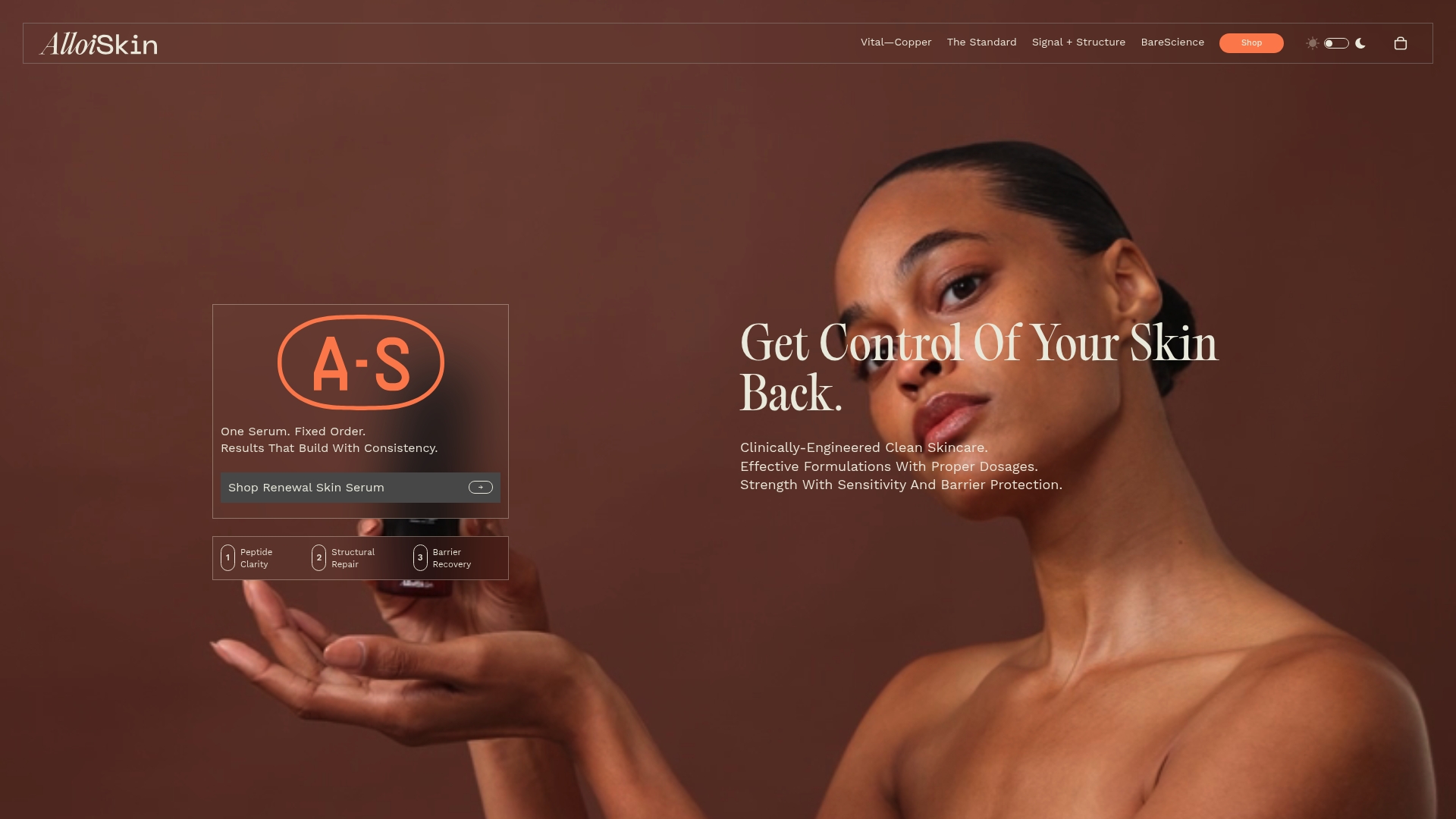
It’s designed for the phase after acute irritation has resolved, when you want a single, purposeful product rather than another stack of ingredients to manage. As with any active serum, patch test first, and if you’re still dealing with significant redness or broken skin, hold off until that’s fully settled or a clinician has cleared you. You can see the full formulation rationale on the VitalCopper product page or read more about the method behind it.
Sources
- How to Prevent and Heal Retinol Skin Burns — RealSelf
- Retinoid or retinol? — American Academy of Dermatology (AAD)
- Study showing PLG and PLM mitigate retinol-induced irritation — PubMed
This article is general information, not a substitute for advice from a qualified doctor. Consult a qualified healthcare professional about your own circumstances before acting on anything here.
FAQ
How long does retinol burn take to heal?
Most retinol burns improve within one to two weeks when you stop the retinol and stick to gentle, barrier-supportive care, according to healing timeline guidance. Severity, skin type, and how quickly you start repair steps all affect the exact timing.
Can Aquaphor be used to treat retinol burn?
Yes. Petrolatum-based ointments like Aquaphor are commonly recommended because they’re occlusive and largely free of the fragrances and preservatives that can further irritate compromised skin, in line with Cleveland Clinic’s guidance on soothing measures. They work well layered over a lipid-repair cream, especially at night.
How long do retinol uglies last?
The “retinol uglies,” the initial flaking and dryness that happens as skin adjusts to a new retinol routine, typically settle within a couple of weeks if you’re not overusing the product. If irritation is severe or lasting longer than that, it likely crosses from normal adjustment into a burn that needs the repair steps outlined above.
What does a retinol burn look like?
A retinol burn usually shows up as redness, visible peeling or flaking, tightness, and sometimes stinging or swelling in the areas where the product was applied. In more severe cases it can include blistering or raw, sensitive patches, which are signs to stop use and consider seeing a dermatologist.


