


Copper peptide serums support collagen and elastin production, calm inflammation, and speed skin repair, producing gradual gains in firmness, texture, and barrier resilience. The strongest evidence comes from peer-reviewed work on GHK-Cu, a copper-binding peptide shown to increase collagen production and support wound healing in lab and small clinical studies. Apply it after cleansing and toning, before moisturizer or sunscreen, and give it weeks, not days, to show its work.
- Fewer visible fine lines as collagen and elastin synthesis pick up
- Firmer, denser skin with better bounce and resilience
- Smoother texture and more even tone over time
- Antioxidant and anti-inflammatory support that calms redness
- Faster recovery after microneedling, laser treatments, or minor wounds
Dermatologists describe copper peptides as tools for long-term “skin longevity” rather than instant fixes. That framing matters more than any single statistic in this category.
Key Takeaways
Copper peptide serums work by signaling fibroblasts to rebuild collagen and elastin, producing gradual gains in firmness and texture over weeks to months rather than overnight change.
| Point | Details |
|---|---|
| Core mechanism | GHK-Cu signals fibroblasts to synthesize collagen, elastin, and glycosaminoglycans. |
| Routine placement | Apply after cleansing and toning, before moisturizer or sunscreen, for real absorption. |
| Realistic timeline | Expect early calming in weeks 1 to 4 and visible firmness by weeks 4 to 12. |
| Layering caution | Keep copper peptides separate from vitamin C and retinol applications. |
| Formula to look for | Alloi Skin’s VitalCopper Renewal Face Serum uses 1% copper tripeptide-1 at a studied dose. |
Table of Contents
- What Are the Main Benefits of Copper Peptide Serums?
- How Do Copper Peptides Actually Work in Skin?
- How Should You Use a Copper Peptide Serum?
- Can You Mix Copper Peptides With Retinol and Vitamin C?
- What Should You Look for When Choosing a Serum?
- What Does the Research Actually Show, and How Long Until Results?
- Where Copper Peptides Fit in a Real Routine
- A Serum Built Around the Dose That Actually Works
- Sources
- FAQ
What Are the Main Benefits of Copper Peptide Serums?
Copper peptides earn their reputation by working on the skin’s structural proteins, not just its surface. GHK-Cu signals fibroblasts, the cells responsible for building new collagen and elastin, which is why consistent use tends to show up as firmer, less crepey skin rather than an overnight tightening effect.
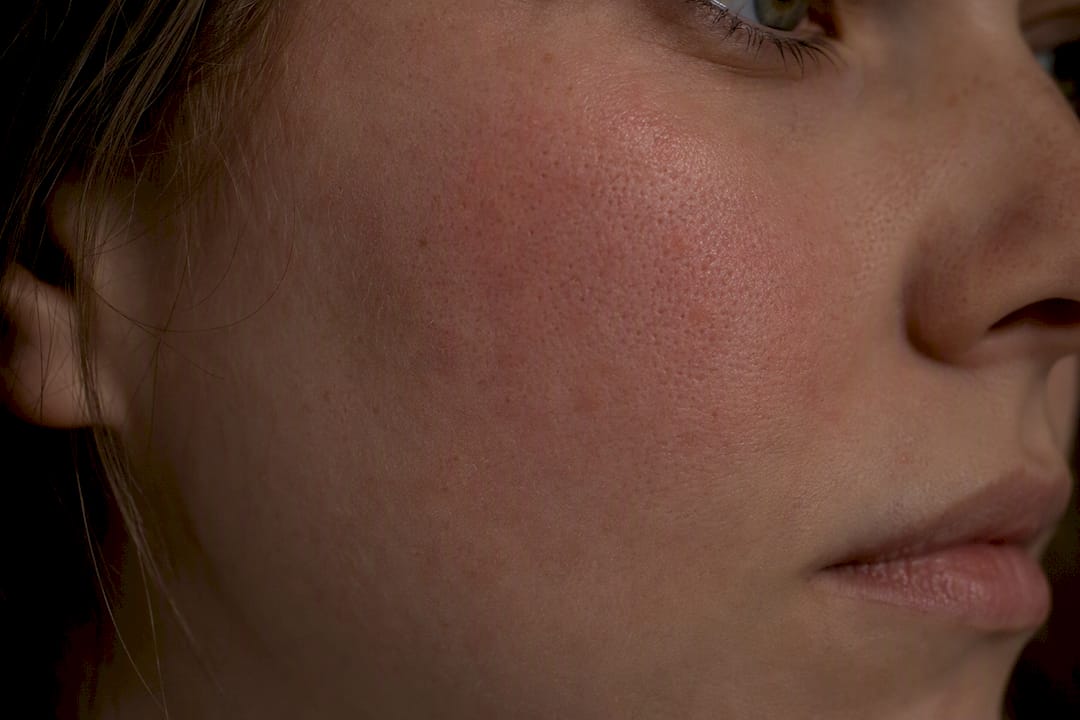
That same signaling changes how skin feels and looks day to day. Texture becomes smoother, pores often look less pronounced, and tone evens out as skin turnover normalizes. Peer-reviewed research on GHK-Cu links it to improved skin density and thickness, which is the biological reason behind that visual shift.
Copper peptides also carry antioxidant and anti-inflammatory properties, neutralizing some of the oxidative stress that accelerates visible aging. That combination of repair and protection is why practitioners frequently recommend copper peptides after microneedling or laser treatments, when skin needs both a calming agent and a collagen-building signal.
- Firmer skin from stimulated collagen and elastin synthesis
- Smoother texture and more even tone with regular use
- Reduced inflammation and antioxidant protection against daily stressors
- Support for wound healing and post-procedure recovery
Practitioner accounts describe copper peptides as well tolerated in sensitive and post-procedure skin, which makes them a common choice for recovery periods.
Pro Tip: If your main goal is maintenance rather than dramatic correction, copper peptides are the more sustainable long-term play than aggressive actives you can only tolerate a few times a week.
How Do Copper Peptides Actually Work in Skin?
GHK-Cu is a small copper-binding peptide that occurs naturally in the body and declines with age. Applied topically at the right concentration, it reaches the viable epidermis and signals fibroblasts to ramp up production of collagen, elastin, and glycosaminoglycans, the molecules that help skin hold water and stay plump.
GHK-Cu affects gene expression tied to matrix remodeling, supporting new collagen synthesis and aiding wound repair, according to research on the peptide’s regenerative actions.
Picture it as a chain reaction: the peptide crosses into skin’s lower layers, binds copper, and nudges fibroblasts into repair mode. Those cells then rebuild the structural scaffolding that keeps skin firm.
- Signals fibroblasts to produce collagen and elastin
- Supports glycosaminoglycans that improve hydration
- Provides antioxidant and anti-inflammatory signaling alongside repair
Copper itself is an essential trace mineral involved in connective tissue synthesis and enzyme function, which is part of why topical copper complexes have plausible biological grounding beyond marketing claims.
How Should You Use a Copper Peptide Serum?
Layering order determines whether a copper peptide serum actually does its job. Apply it to clean, toned skin, before anything heavier, so the peptide can reach the epidermis instead of sitting on top of a moisturizer barrier.
- Cleanse and tone as usual.
- Apply the copper peptide serum to slightly damp skin.
- Wait a minute for absorption.
- Follow with a moisturizer.
- Finish with sunscreen in the morning, or a richer cream at night.
Start with less frequent use to check tolerance, then gradually increase to daily use once skin adjusts. For post-procedure skin, such as after microneedling or laser resurfacing, ask your provider when to reintroduce actives. Many recommend waiting until the skin barrier has visibly settled, often several days, before layering peptides back in.
Pro Tip: Never rely on a copper peptide cleanser for results. Rinse-off formats wash away before the peptide can penetrate, so a leave-on serum is the format that actually delivers benefits.
Can You Mix Copper Peptides With Retinol and Vitamin C?
Copper peptides pair well with hydrating, barrier-supporting ingredients: hyaluronic acid, ceramides, niacinamide, and mineral sunscreen all layer cleanly. Retinoids and vitamin C are trickier, since copper can destabilize some vitamin C formulations and compete for the same signaling pathways as retinol. Practitioner guidance suggests using them in separate routines, pairing copper peptides in the morning and retinoids at night, rather than stacking them in one application.
Side effects are uncommon but include mild irritation, temporary redness, or, rarely, an allergic reaction to the formulation. Patch-test on your inner arm for 24 hours before applying to your face, especially if you have reactive or compromised skin.
- Do: patch-test new products, introduce slowly, pair with sunscreen
- Do: wait for provider clearance before use after in-office procedures
- Don’t: apply copper peptides and vitamin C in the same step
- Don’t: ignore redness or stinging that persists past a few uses
Pro Tip: If you’re recovering from a procedure, ask your dermatologist for a specific reintroduction timeline. That guidance varies by treatment intensity and should come from the provider who performed it, not a general skincare guide.
What Should You Look for When Choosing a Serum?
Read the ingredient list before the marketing copy. Look for GHK-Cu or “copper tripeptide-1” named explicitly, ideally placed high enough in the ingredient order to suggest a meaningful concentration rather than a token amount.
- GHK-Cu or copper tripeptide-1 listed by name, not just “peptide complex”
- Fragrance-free formulation to reduce irritation risk
- Opaque or airless packaging, since copper peptides can be light and air sensitive
- No peptide claims on a rinse-off cleanser, which cannot deliver real benefit
Watch for red flags: undisclosed concentrations, copper peptides buried at the bottom of a long ingredient list, or heavy fragrance masking an unstable formula. Alloi Skin’s VitalCopper Renewal Face Serum is formulated around studied doses of copper tripeptide-1 alongside Matrixyl 3000, built specifically to meet this kind of label scrutiny.
What Does the Research Actually Show, and How Long Until Results?
Clinical and laboratory work on GHK-Cu is consistent in direction: it supports collagen synthesis, improves skin density, and aids wound healing. What varies is scale. Many of the underlying trials are small, and broader literature on PubMed includes a mix of in vitro, animal, and limited human studies rather than large randomized trials.
Copper peptides support collagen production and reduce inflammation, but they work as part of a routine over time, not as a replacement for retinoids or in-office procedures, according to dermatology commentary on the GHK-Cu trend.
| Timeframe | What typically happens |
|---|---|
| Weeks 1 to 4 | Skin feels calmer; early hydration and texture improvements |
| Weeks 4 to 12 | Visible firmness and smoother texture as collagen synthesis builds |
| Weeks to months | More consistent improvements in tone, density, and elasticity |
Alloi Skin outlines what to expect in the first 12 weeks of use, which lines up with the gradual pattern these studies describe. Marketing claims that promise dramatic change in days are not supported by the current evidence.
Where Copper Peptides Fit in a Real Routine
Copper peptides are not a shortcut and Alloi Skin has never framed them as one. They are a maintenance tool, most valuable for people rebuilding skin resilience over months, supporting a barrier after a procedure, or looking for an antioxidant boost that won’t provoke sensitive skin.
The evidence supports steady, structural improvement, not a quick fix, which is exactly why Alloi Skin builds its formulation method around dosed actives instead of long ingredient decks. Readers who want the deeper ingredient science can look at the copper tripeptide-1 breakdown.
A Serum Built Around the Dose That Actually Works
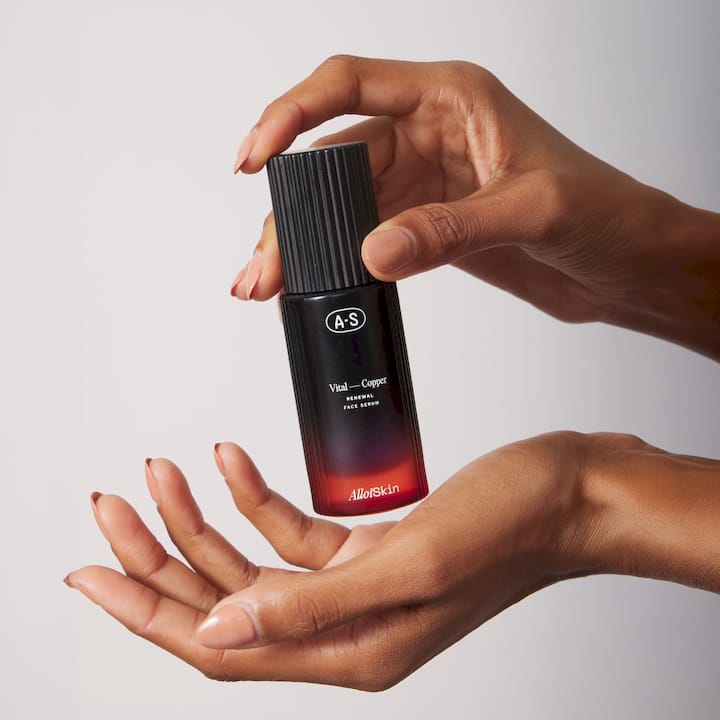
Most copper peptide products list the ingredient without disclosing how much is actually in the bottle, which is the single biggest reason readers get inconsistent results. Alloi Skin’s VitalCopper Renewal Face Serum is formulated at 1% copper tripeptide-1, paired with Matrixyl 3000 and barrier-supporting panthenol, betaine, and hyaluronic acid, at concentrations aligned with the research described above.
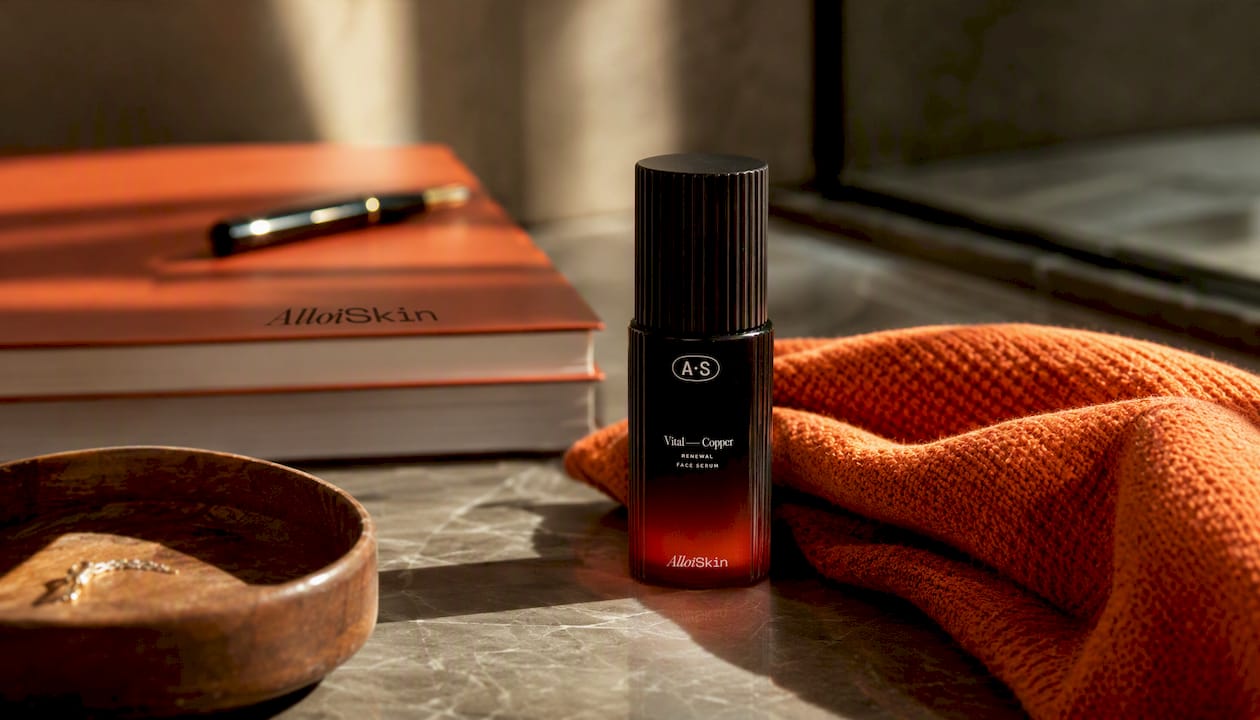
Use it exactly as outlined earlier: on clean, toned skin, before moisturizer, working up from every other day to daily. If you’re pairing it with a retinol like CeraVe’s retinol serum, keep them in separate routines rather than layering them together. Alloi Skin documents realistic 12-week expectations on its site, so you know what to watch for instead of guessing. Visit the VitalCopper product page to check current formulation details and start your first order.
Sources
- This new skincare ingredient claims to prevent ageing – and it’s backed by science | The Independent
- Regenerative and Protective Actions of the GHK-Cu Peptide in the Light of the New Gene Data - PMC
- Copper Peptides for Skin, Benefits, Side Effects, and How to Use | Women’s Health
FAQ
What Are the Benefits of Copper Peptide Serum?
Copper peptide serums support collagen and elastin production, improve firmness and texture, calm inflammation, and aid wound healing and post-procedure recovery.
Can I Use Copper Peptides Every Day?
Yes, once your skin tolerates it. Start every other day for the first one to two weeks, then build to daily use if there’s no irritation.
What Are the Downsides of Copper Peptides?
The main downsides are mild irritation or redness in sensitive skin, potential instability when mixed directly with vitamin C, and results that take weeks to months rather than days.
Should Copper Peptides Replace Retinol?
No. Dermatologists note that copper peptides support collagen and recovery but work best alongside, not instead of, retinoids or in-office procedures.
Is VitalCopper Renewal Face Serum a Good Copper Peptide Option?
VitalCopper Renewal Face Serum uses 1% copper tripeptide-1 alongside Matrixyl 3000 at studied concentrations, meeting the label transparency and dosing criteria outlined for choosing an effective formula.


